Why it exists
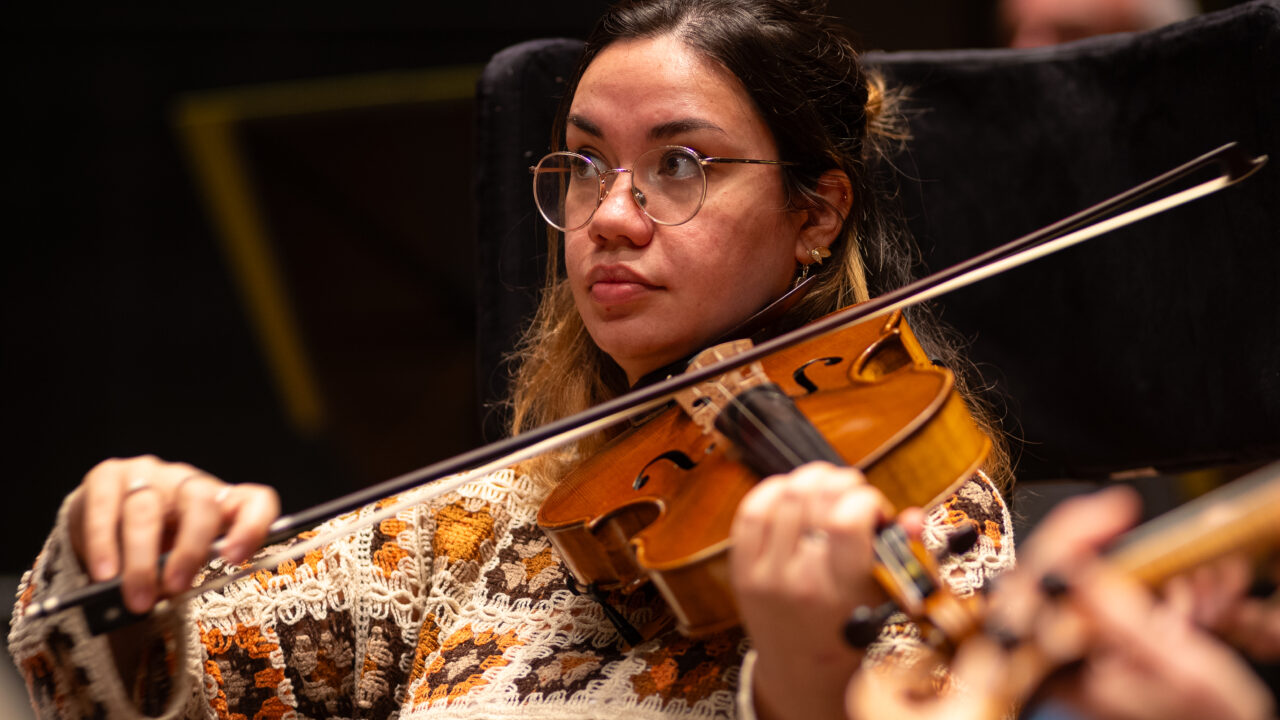
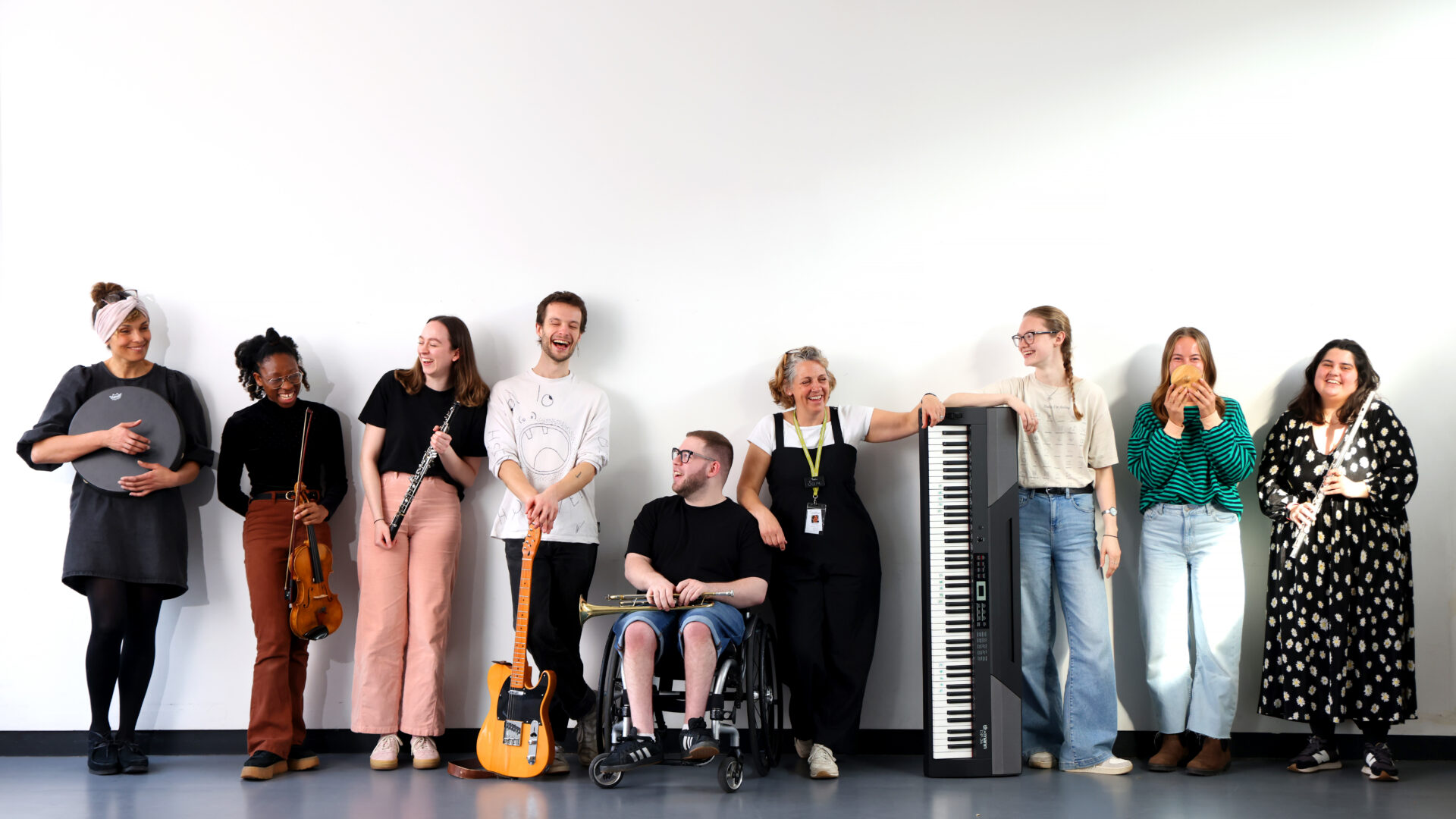
The BSO Young Associates programme offers people based in the South West and traditionally underrepresented in the UK’s arts workforce* a chance to catapult their career.
What it offers
BSO Young Associates are supported through practical experience, training, and one-to-one mentoring from the Orchestra’s award-winning Participate team and its BSO Associate Musicians, who live and work throughout the region. They will also have the opportunity to work alongside the Orchestra’s professional musicians.
How it works
The bursary-supported programme is part-time and is tailored to each Young Associate, who will commit around 10 days each month to it. Each Young Associate will receive £8,800 (split into monthly payments of £1,100)
What are our previous Young Associate Musicians doing now?
Year of 2022/23: Sehyogue Aulakh and Lila Bhattacherjee
Sehyogue, is a British/Indian percussionist who is developing a freelance career as a teacher, workshop leader and music facilitator. Most recently she has worked with Orchestras for All and National Youth Orchestra.
Sehyogue Aulakh
London-based flautist Lila has been involved in a range of early-years and family projects, including working with groups experiencing perinatal mental-health issues and homelessness.
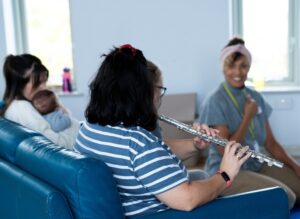
Lila Bhattacherjee
Year of 2023/24: Àánú Sodipe, Ed Lee and Tammy Sullivan
Born in East London, Àánú combines her Yoruban (East African) heritage with classical and jazz influences. As a classical violinist and composer, she has toured with the Chineke! Orchestra, performed with Stormzy at the 2023 Brit Awards, and with the Afrobeat artist Asake at the O2 Arena. Àánú is now working full time with an arts organisation.
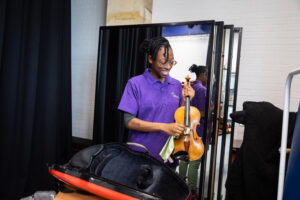
Àánú Sodipe
Ed is a guitarist, songwriter and a self-proclaimed heavy-metal fan based in Bournemouth. Since graduating as a Young Associate in 2024, he’s worked with local music services such as Soundstorm and Coda Music & Arts Trust in schools, hospitals and community settings, is Musician in Residence at Portfield School in Christchurch, and runs the Open Orchestra ensemble at Linwood School in Bournemouth.
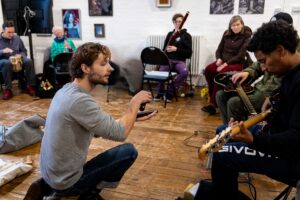
Ed Lee
Dorset-based oboist Tammy has a career as a freelance musician and educator, including teaching in local schools and leading workshops at Poole’s Society for Young Musicians. In 2024 she was appointed Assistant Music Leader of the National Open Youth Orchestra Bournemouth ensemble, led by the BSO, where she supports BSO Associate Sam Mason in mentoring young disabled musicians.
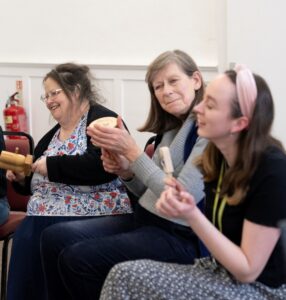
Tammy Sullivan
Year of 2024/25: Harry Bassett, Charlotte Foley and Sophia Benton
Harry is a Bournemouth-based trumpeter and is building a portfolio career as a composer, session musician and facilitator, regularly working with Paraorchestra and Extraordinary Bodies, a disabled-led circus company.
Salisbury based singer/songwriter and cellist Charlotte has been developing her professional experience with projects such as Bath Philharmonia’s Residential for Young Carers, and a choral project with secondary schools that culminated in a performance at the Bath Festival.
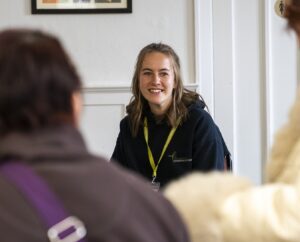
Charlotte Foley
Sophia was the first person to graduate as a left-hand alone pianist from the Royal Welsh College of Music and Drama. A Benedetti Foundation Instrumental Teaching Ambassador, she is dedicated to accessibility and representation in the music industry. Since her time as a BSO Young Associate Musician, Sophia has worked with Bristol Recovery Orchestra – and continues to teach and perform.
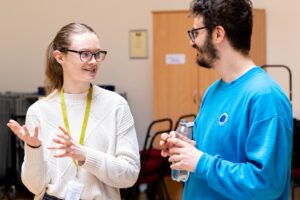
Sophia Benton
Our BSO Young Associates are helping us to create a bigger and brighter musical future. If you’re an aspiring young community musician we’d love for you to join us in the year of 2026/27. Find more details here.
**Arts Council of England’s Equality, Diversity and Inclusion Review 2018-23 states that disabled people account for 9% of the arts workforce (compared to 22% UK population), and people who identify as Black, Asian or ethnically diverse for 15% (compared to 18% of the UK population). Only 16 percent of the creative workforce are from working class social origins, compared to just under one-third across the whole UK economy (Carey et al, 2020, 2021b) Taken from Creative Majority Report, APPG (September 2021):
The BSO Young Associates programme in 2026-29 is generously funded by The Calleva Foundation, in memory of Jack Butt.