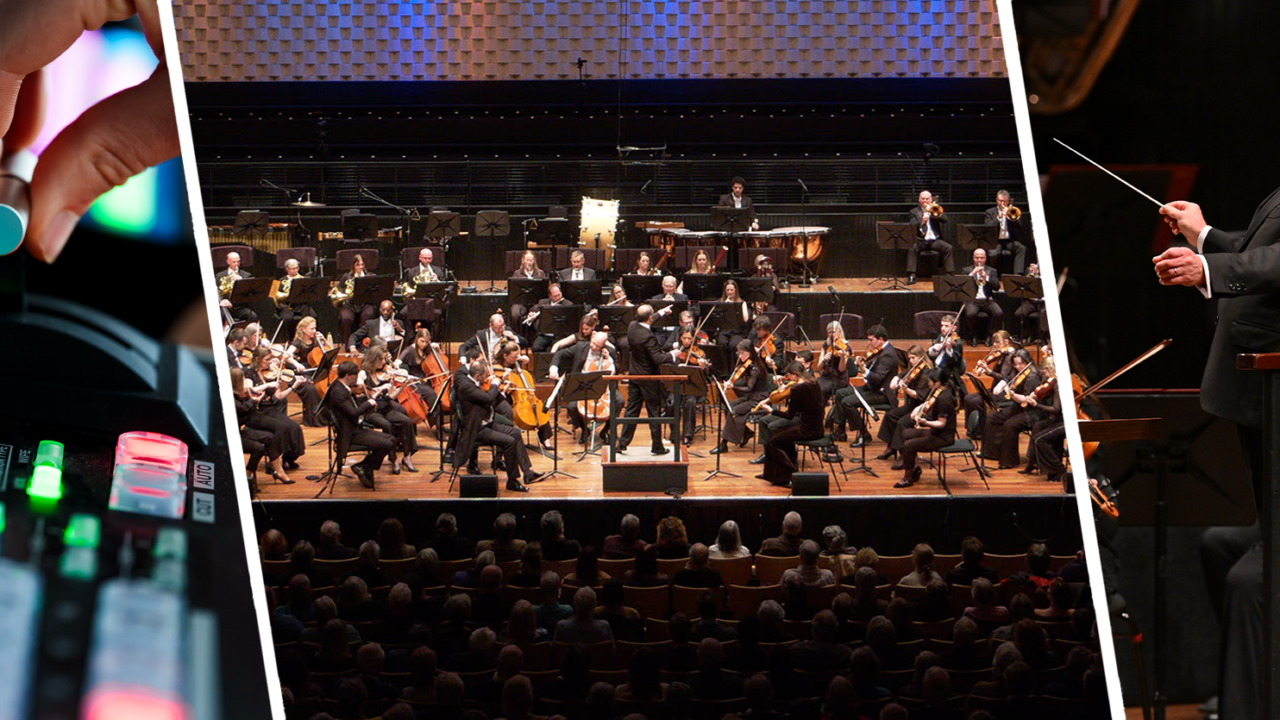

In his early tone poem Summer, Frank proved himself as a spatial Bridge from Delius, Holst and Bax through to Britten. Mark Wigglesworth conjured evocative moods of sky over land and sea with telling nods back and forward to all four composers, but always within Bridge’s own burgeoning and distinctive style – still much under-appreciated. A beautifully languid oboe solo from Jack Tostevin-Hall set the scene as a pastoral observer basking in the subtly changing moods and colours of the natural world. Composed in 1915, brief distant rumblings hinted at troubled times across the English Channel, but the power of Nature prevailed with ever-changing beauty and elemental ecstasy.
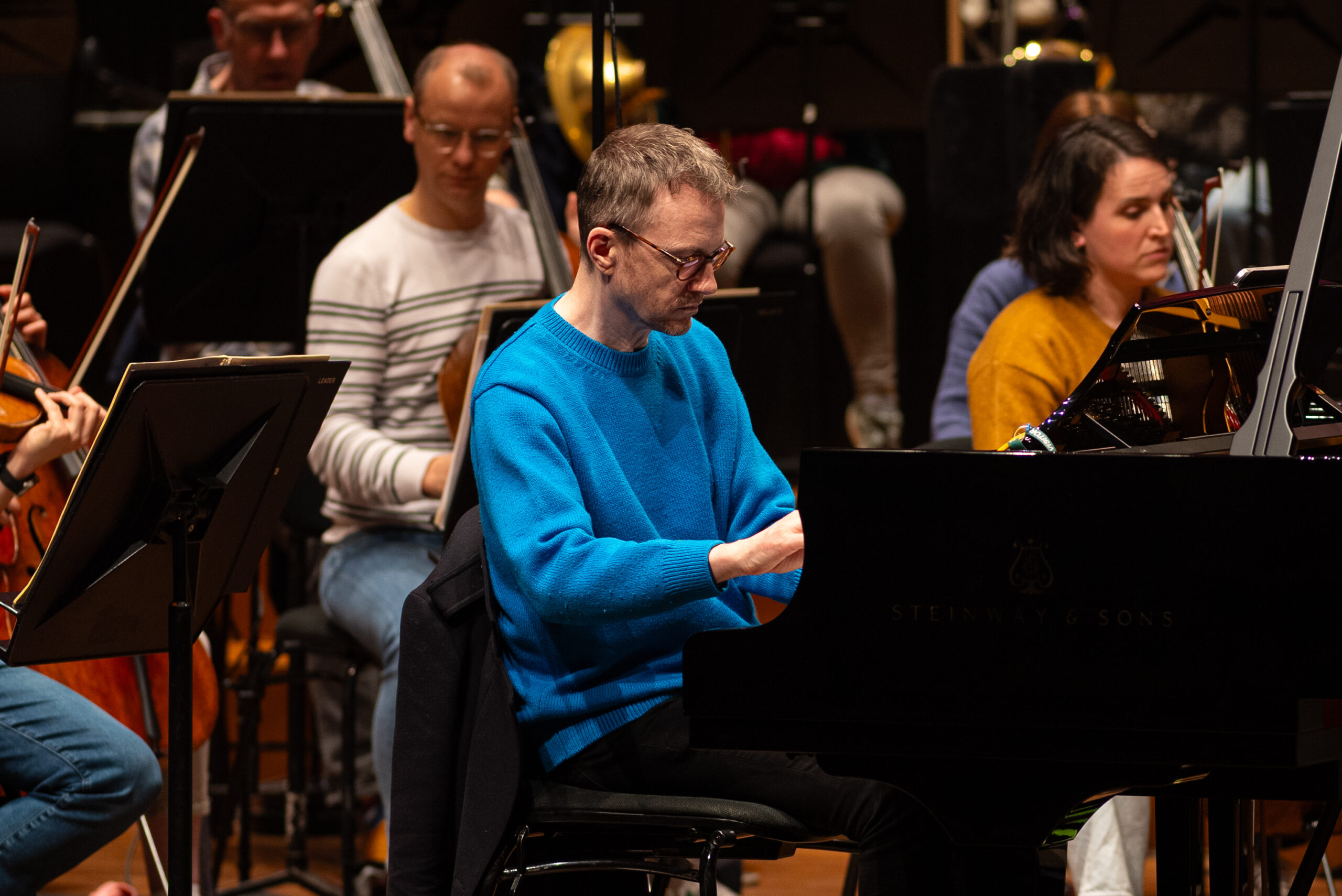
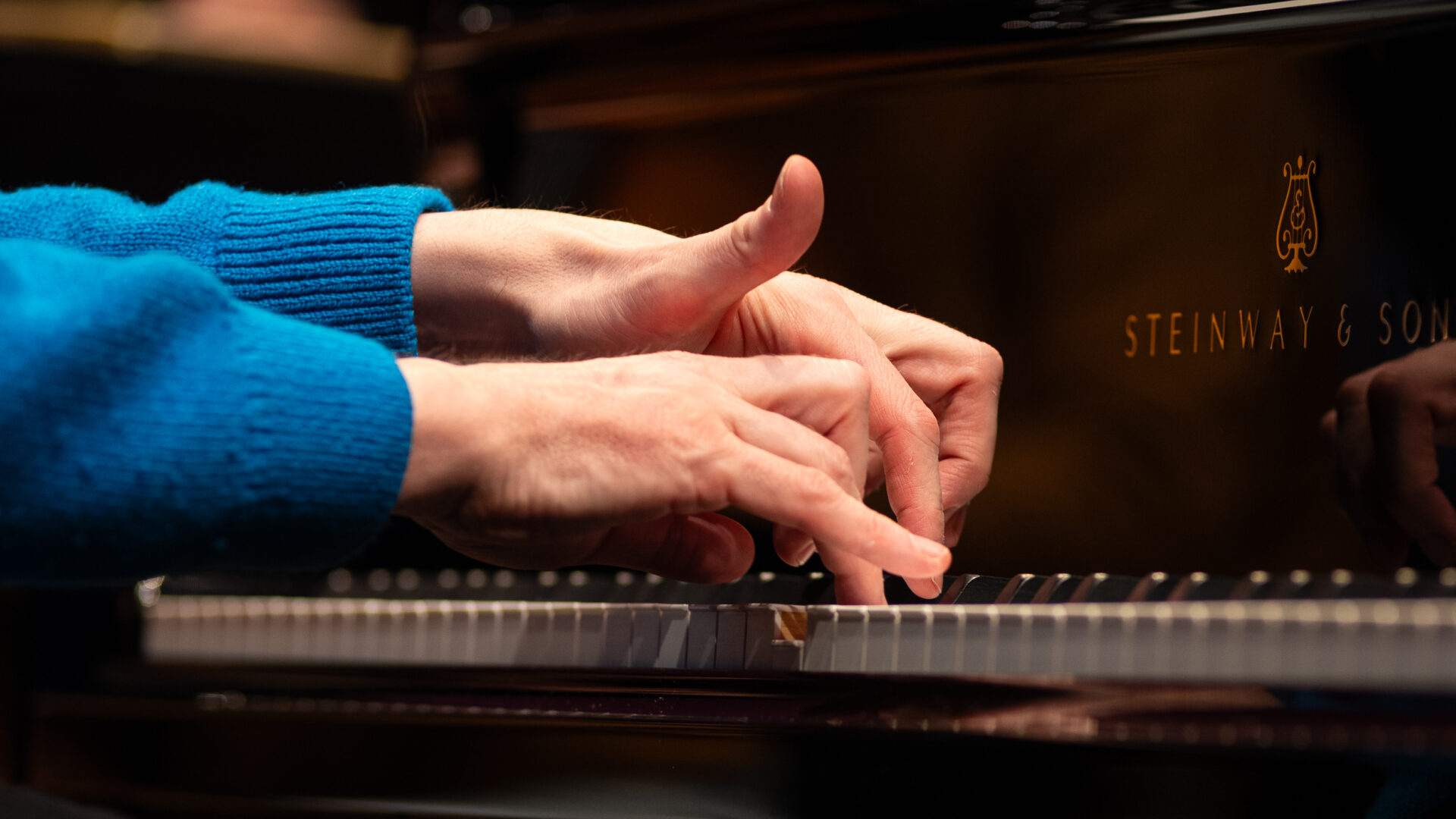
After Bridge’s sky-blues, the jazz-inflected Blues of Ravel’s Piano Concerto took centre-stage in a kaleidoscopic palette of style, bold colours and sensitivity from soloist Alexandre Tharaud. Bending the beat of both the outer movements with intuitive savvy and panache, the orchestra stuck with him like glue, contributing sassy solos to match. So many to list, but stand-outs were the spiky opening piccolo melody from Camilla Marchant and the pizazz of its repeat from principal trumpet Paul Bosworth. The same melody in slow tempo with plucked harp harmonics and glissandi from Eluned Pierce cast a magic spell. All this framing a heart-stopping central movement of incomparable unchained melody blessed with plaintive cor anglais playing from Rebecca Kozam and principal horn Eleanor Blakeney.
With the concerto’s finale past the finishing post with a helter-skelter cartoon chase, Alexandre Tharaud returned to calm proceedings with Satie’s enigmatic question and no-answer Gnossienne No.1. Our soloist appropriately told the rapt audience all and nothing, but left with plenty to think about – the perfect encore.
Even more blues underpin the essence of Rachmaninov’s Third and last symphony – this time primarily due to the composer’s home-sickness for Russia and his time in exile in Switzerland and especially the USA at the end of his life. Few conductors successfully tap into the radically changed dynamic. The idiom is leaner and meaner with enhanced orchestral transparency and within a more personally elusive context. Mark Wigglesworth and BSO comprehensively nailed every aspect in this performance with intuitively flexible tempi, clarity of orchestral balance and emotional substance without any grandstanding or over-indulgence. Heartfelt and heartwarming.
Ian Julier