Not only a beautiful vignette of nature painting by the tragically short-lived Lili Boulanger, but also a salient reminder of the meeting between the French composer and Tchaikovsky when Saint-Saens was on a concert tour in Russia in 1875. The two composers clicked as avid balletomanes and infamously performed a short ballet Galatea and Pygmalion together on the stage of the Moscow Conservatoire during the visit. The friendship didn’t prevail, but respect for each other’s music remained constant and deeply felt.
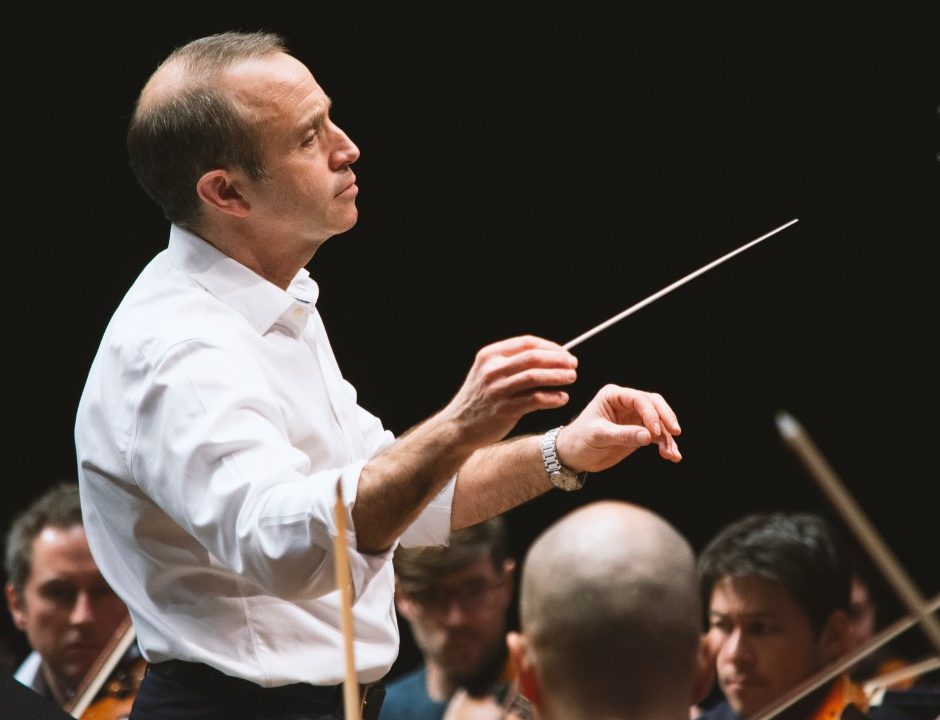
Saint-Saëns’ symphonic poem Phaéton depicts the perils of hubris when the son of the Sun God Helios drives his horse-driven chariot too close to the Earth and is struck down by a thunderbolt from Zeus. The equine rhythmic impetus takes a cue from Liszt’s Mazeppa and Berlioz’s Faustian Ride to the Abyss, but with a lyrical interlude vindicating the hero’s confirmation of his father’s parentage. Chloé Van Soeterstède’s super-spurred ride was a compelling workout for the string section’s ricochet bowing and woodwind tonguing, with the brass and percussion unleashing impending doom and disaster fading into a brief closing funereal lament.
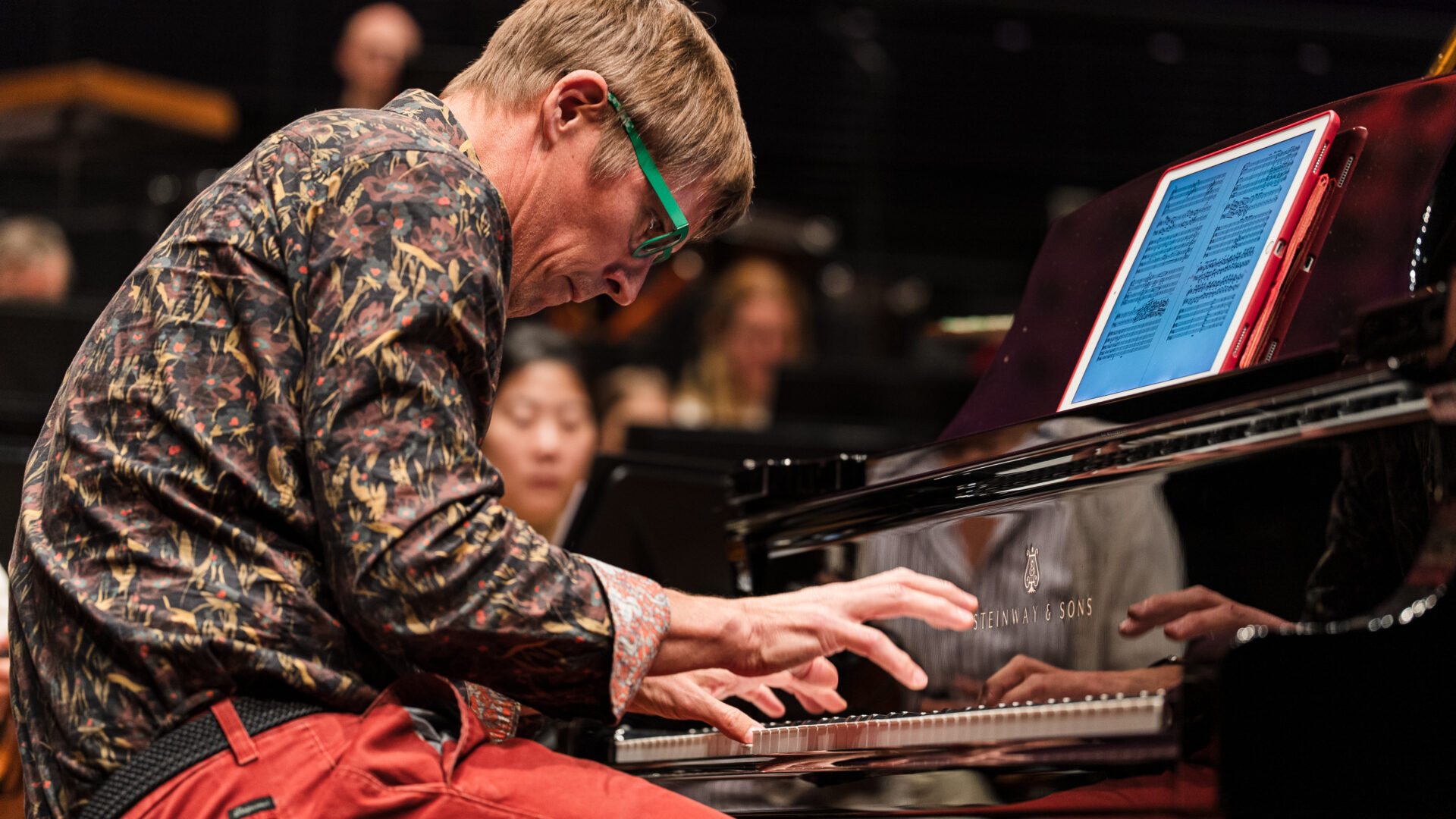
The French connection continued with soloist Cédric Tiberghien playing Tchaikovsky’s Piano Concerto No.1. Performing such ubiquitous works these days must be something of a challenge. This performance brought an immediately refreshing stance – a sharing of idiomatic cohesion, ultra-sensitivity and spontaneity between soloist and conductor in unison with the orchestra and reaching out to the audience throughout. Reciprocal musicality, elegance and virtuosity without compromise or barnstorming. Yet more solo magic hushed Lighthouse with Tiberghien’s encore – a sublime reading of the Siciliana transcription from Bach’s Concerto BWV596.
The second half opened with D’un Matin de Printemps, a brief five-minute nugget of French pastorale from Lili Boulanger, who tragically died in 1918 at the age of only 24. Her music is beautifully crafted, evocative and exultant of the natural world in a manner comparable to Delius and other British pastoralists of the early 20th century. That she died so young with such potential leaves one desolate, but grateful for the few works that she did manage to complete. This performance brought luminous textures to the landscape and skies as well as poignant snippets of village dancing along the way.
Thence to the Big Beast grand finale with Saint-Saens Symphony No.3, now usually referred to as his Organ Symphony. Glory be, BSO with Chloé Van Soeterstède avoided all potential undertones of wedding cakes or the Gothic façade of the old St. Pancras Station in London and relished the many innovative and compelling aspects of what is a great symphony and one of the composer’s major achievements. This is big sky music of rhythmic dynamism contrasted with tender inner sensitivity requiring virtuosity and acute listening balance from all sections of the orchestra. Needless to say, BSO stepped up to the plate playing with appropriate relish and acute articulation throughout. The slow section of the first movement glowed with a specially lyrical and heartfelt tenderness worthy of reuniting with Tchaikovsky taking us full circle to that brief Moscow encounter. Perhaps the organ could have delivered more welly for the grand finale but then we’d need to relocate to a cathedral. All in all a great realisation of a much- maligned symphony being put back on the map.
Critic Ian Julier
You can catch up on this concert here until 23 May.