

Ludwig van Beethoven 1770 - 1827
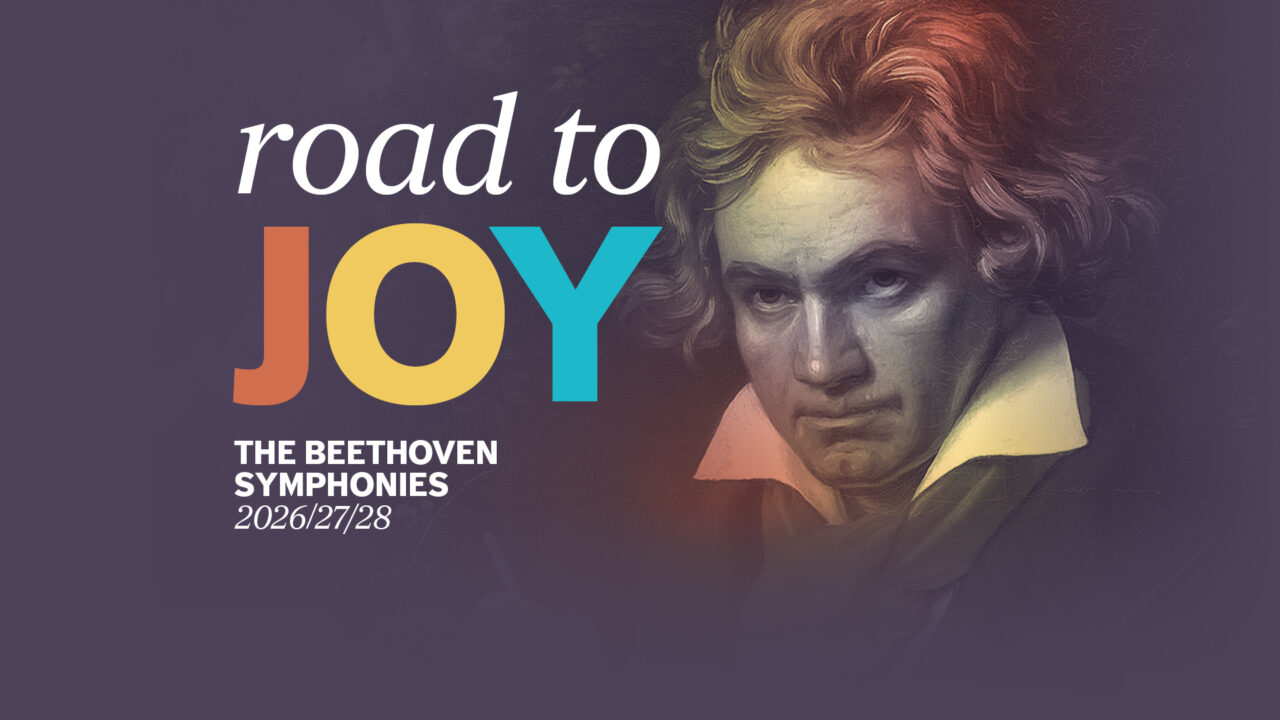
“Beethoven changed music more than any other composer. And in doing so, he profoundly changed what our relationship to it can be. His music is about us, and like Shakespeare, we feel he understands who we are and what our lives are like. We feel heard by him. All of his symphonies are roads to joy and to acknowledge the 200th anniversary of his death with an 18-month project that celebrates each of the symphonies in turn is a timeless and timely opportunity to engage in what Beethoven means to us today.”
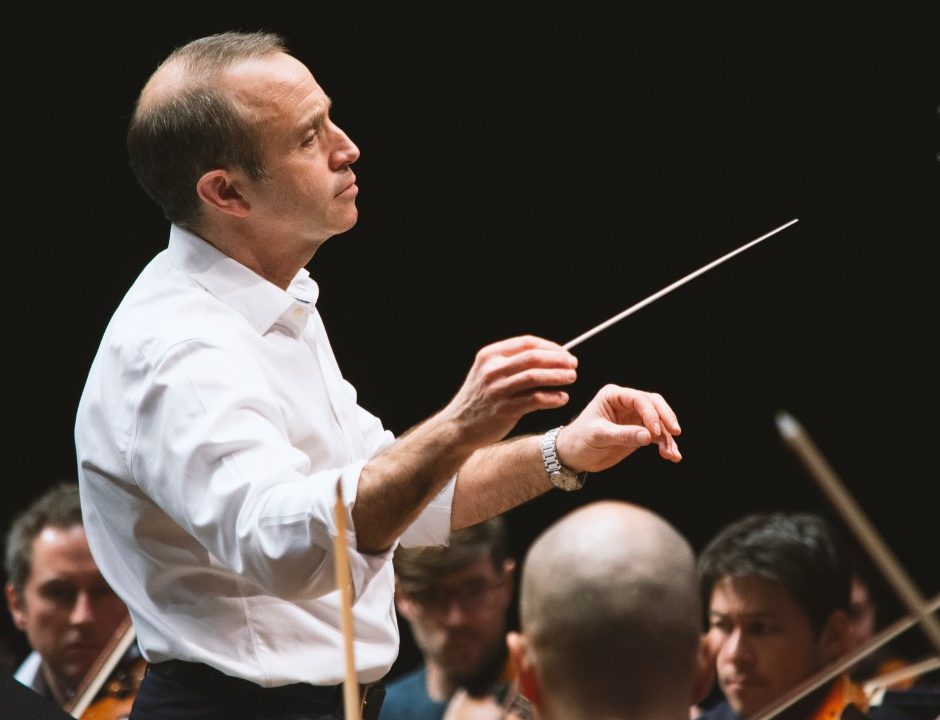
-Mark Wigglesworth, BSO Chief Conductor
Born: December 1770 in Bonn, Germany
Died: 26 March 1827 in Vienna, Austria
Ludvig van Beethoven was born in December, 1770 and died, aged 56, on 26 March, 1827. His exact birth date is unknown but he was baptised on 17 December. He was a composer and pianist.
During his lifetime he wrote over 700 works, including 9 symphonies, 9 concertos, 16 string quartets and 32 piano sonatas. The earliest in 1782, when he was only eleven years old. His last completed work was the String Quarter No. 16 in F major, Op. 135 which he finished in October 1826. The piece premiered in March 1828, by the Schuppanzigh Quartet, a year after the composer’s death.
One of the most revered and influential figures in Western music, his oeuvre spanned the transition from the Classical period to the Romantic era. Within the former, his compositions including the piano concerto, string quartet and symphony. All works within the genres of composers like Wolfgang Amadeus Mozart and Joseph Haydn, Mozart’s teacher. And during the latter, Beethoven’s works, such as his Pastoral Symphony, paved the way for Romantic composers, like Hector Berlioz and Franz Liszt.
Within the context of the musical world around him, his music straddled these two periods but in reference to his self, his music is categorised threefold. The ‘Early’ period between the years of 1792 and 1802; the ‘Middle’ period between the years 1802 and 1812; and the ‘Late’ period which lasted through until his death. Whilst this is the generally accepted structure of viewing Beethoven’s work, it does emit the time in which Beethoven was living in Bonn, between 1982 and 1792.
The Early period
The ‘Early’ period begins with Beethoven’s arrival in Vienna at the age of 21. Under the tutelage of Haydn, Beethoven begun composing within the ‘Viennese’ style. This style held emphasis on clarity, balance and emotional expression with a focus on clear melodies, homophonic texture and tonal stability. His mastery of Viennese Classicism within his period is shown in key pieces from the time like his first and second symphony, his first two piano concertos and his first twenty piano sonatas.
The Middle period
His ‘Middle’ period was brought on by his encroaching deafness and the personal crisis this realisation caused. It is characterised by heroism and struggle. He used large-scale works to express such themes.
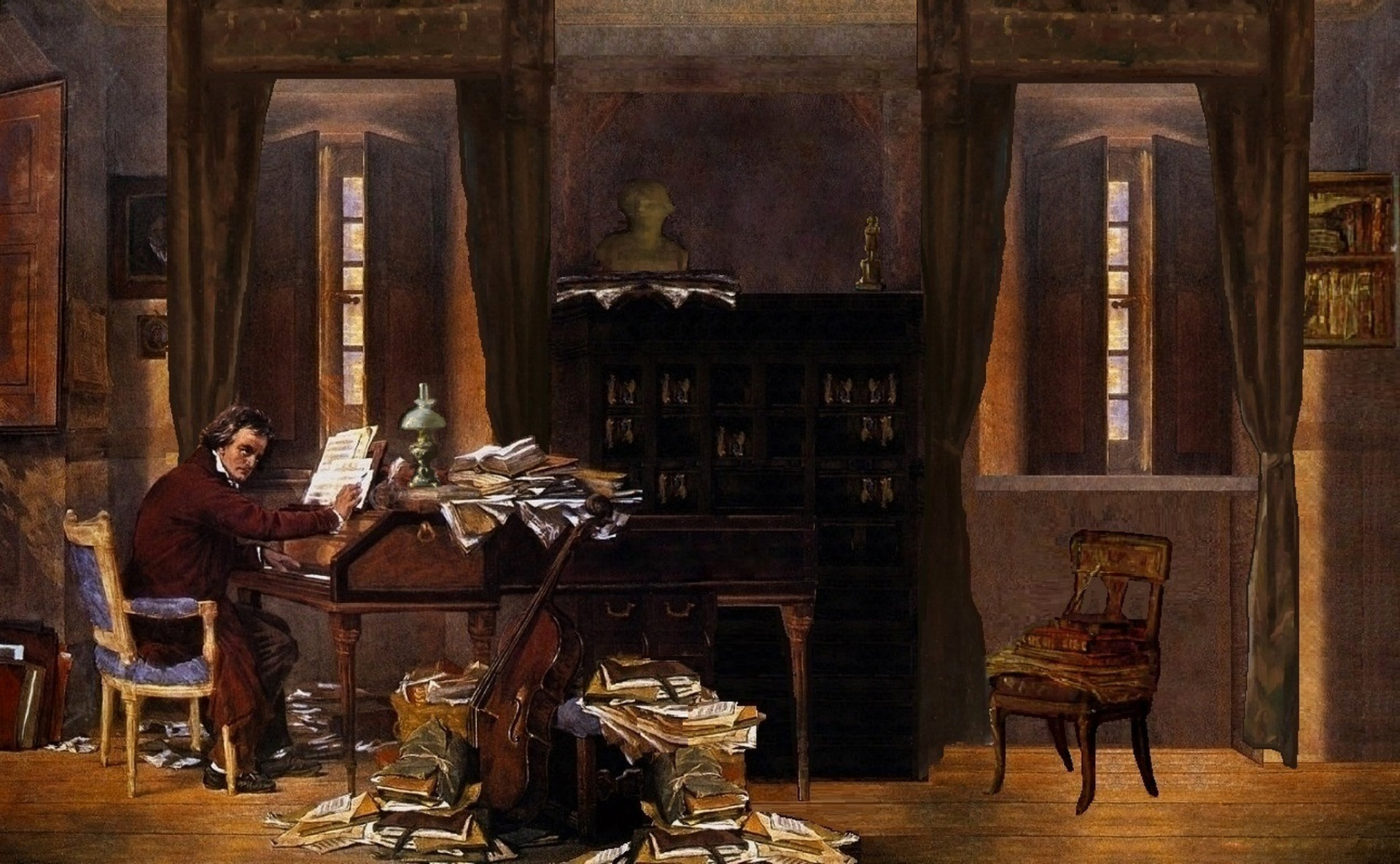
It was the late 1790’s that the composer had begun to suffer from tinnitus and it was through this decade and into the seventeenth century that both professional and social difficulties, caused by his auditory degeneration, emerged. In 1802, following his doctor’s advice, Beethoven moved from the city into the small Austrian town of Heiligenstadt for a period of several months, in attempt to come to terms with his condition. In a letter to his brother, in what is now known as the Heiligenstadt Testament, Beethoven writes of suicide but ultimately resolves to live on for and through his art. His hearing loss did not cause Beethoven to stop composing music but it did make playing concert difficult and contributed to his social withdrawal. It was not until 1812, at the age of 42, that he stopped being able to hear speech and music normally.
Works of this period include his Symphony No.6, Pastoral and his Piano Concerto No. 24. This ‘Middle’ period is sometimes referred to as his ‘Heroic’ period but this style of composing whilst accurate to some works, like his Third and Fifth Symphony, does not apply to all within it.
The Late period
The ‘Late’ period was marked my intense personal expression and an emotional and intellectual profundity. He studied older music from Palestrina, Johann Sebastian Bach and George Frideric Handel and his work showed heavy influence from the Baroque Era.
The ‘Late’ period was tumultuous in terms of compositional output. With alternating periods of pause and artistic determination. Illness, political and social factors, as well as the draining, ongoing legal dispute, following the death of his brother Kaspar in 1815, for legal guardianship over his nephew Karl.
By 1818, Beethoven’s hearing had seriously deteriorated so much so that he had to use notebooks in order to carry out conversation but his didn’t prevent Beethoven from continuing in his artistic endeavours. His worked persisted. 1823 was a notable year in that he composed Miss solemnis, his Ninth Symphony and Diabelli Variations.
Ludwig van Beethoven died in his apartment on 26 March 1827, with his sister-in-law, possibly his secretary, and his close friend Anselm Hüttenbrenner by his bedside. Liver failure, chronic hepatitis, alcoholism, genetic predispositions, lead poisoning and the severe jaundice he had been suffering with for his final months all culminating in his death.
Hüttenbrenner’s account states that at around 5pm, there was a flash of lightning and a clap of thunder then “Beethoven opened his eyes, lifted his right hand and looked up for several seconds with his fist clenched … not another breath, not a heartbeat more.”
His funeral was held three days later. Thousands of citizens lined the streets, with some witnesses suggesting up to 30,000 onlookers; theatres closed and notable artists participated in the procession. All indicators of the legacy the great composer would left behind.
Did you know?
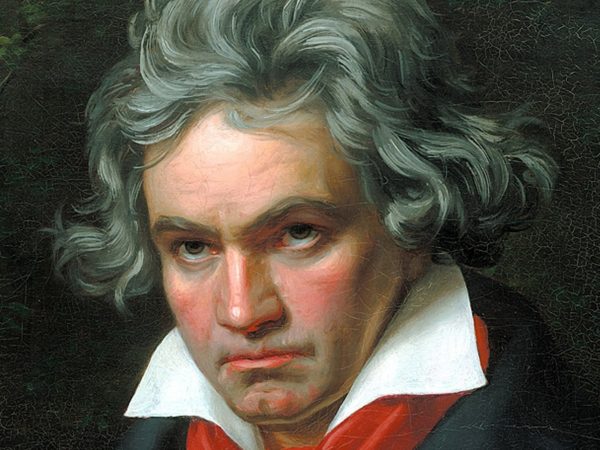
Despite the persistent portrayals of Beethoven with a stern, almost scowl-like, expression, he was actually a bit of a joker! One of his favourite pranks was to jump from behind doors to scare his friends – who were often the butt of his more musical jokes, too. Beethoven wrote a song for his friend – the violinist Ignaz Schuppanzigh – poked fun at the man’s weight, ending in ‘we all agree that you are the biggest ass’.
If you are interested in Beethoven’s Symphonies 1 – 5 then please watch our Meet the Music video.