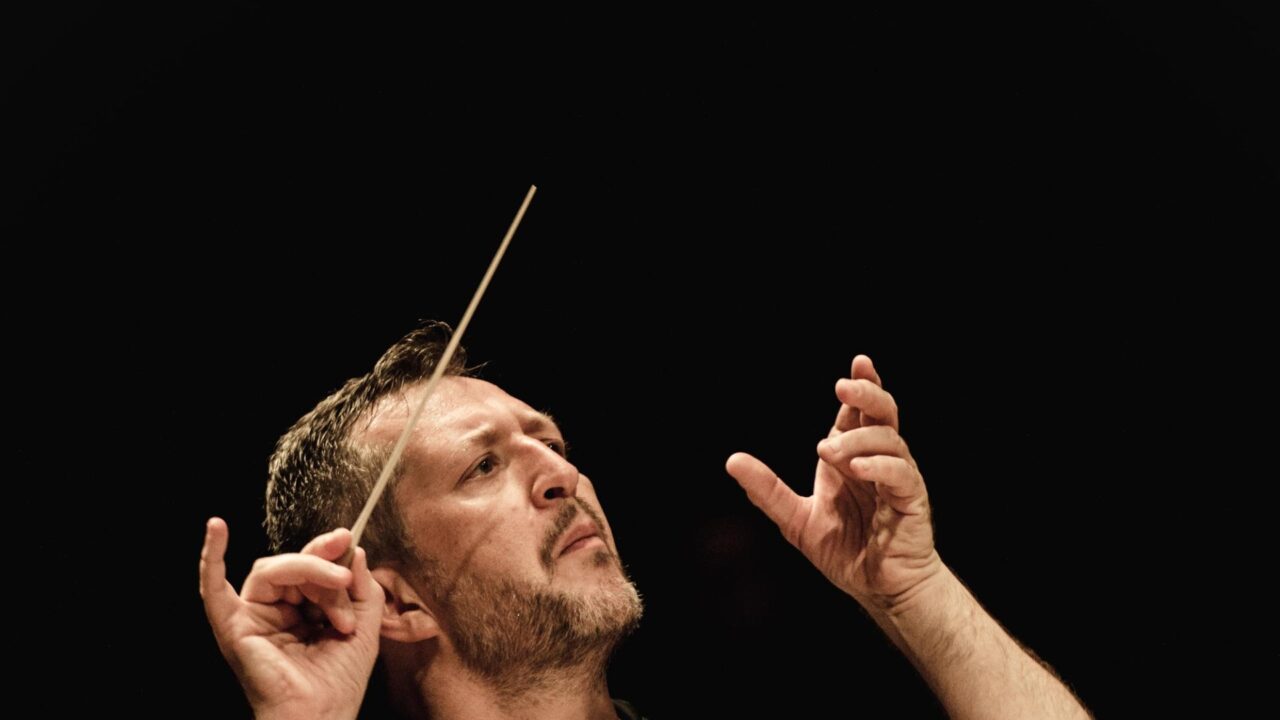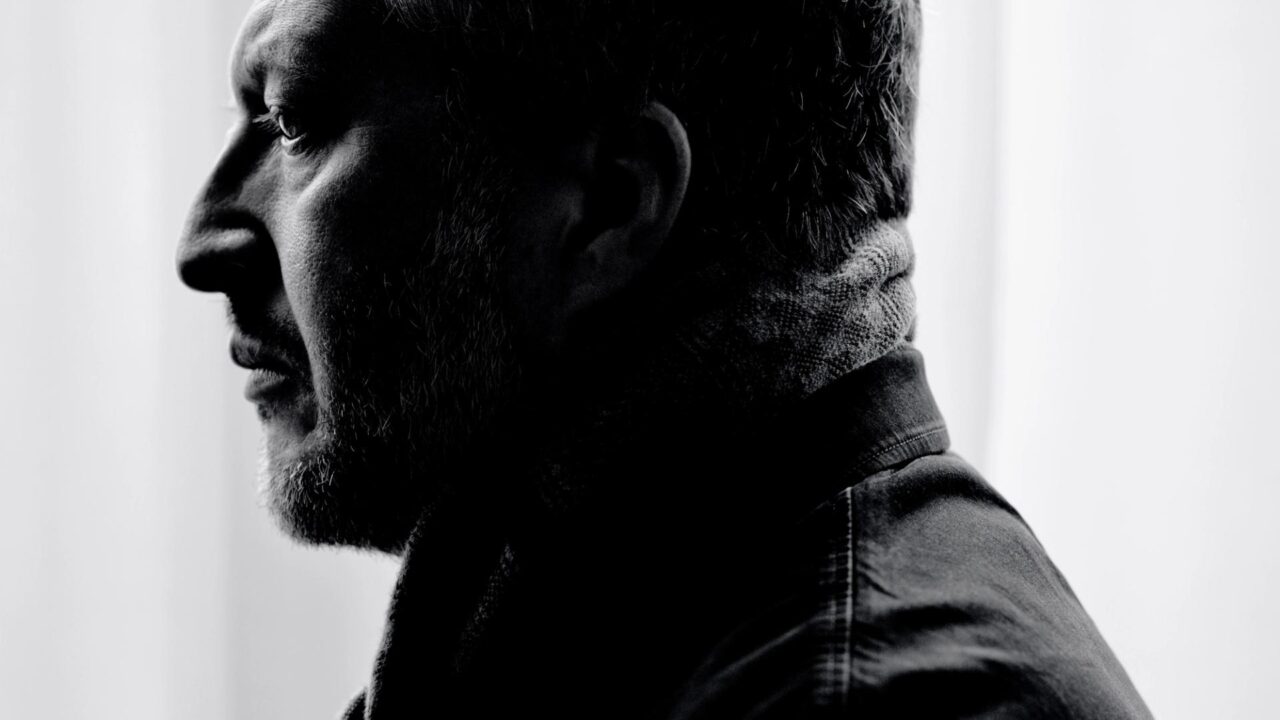


He grew up in an artistic household. Born in London in 1971, his mother is an art historian – specialising in surrealism – while his father is a poet and translator. Unsurprisingly, both poetry and art greatly inspire his music. Likening music to a piece of physical art, Adès says, “I have to think of it as something that’s physically real”. In addition to his parents, his grandmother was a big influence on him. A great lover of classical music and birdwatching, she shared these interests with the young Thomas.
He experiences synaesthesia [a neurological phenomenon where music is associated with images in the brain]. Adès recalls listening to music at his grandma’s house one day and feeling that he “couldn’t distinguish between the light patterns [on the ceiling] and the music”.
He very nearly became a concert pianist. Adès grew up playing the piano and reached the finals of BBC Young Musician as a pianist, something he said he “never imagined”. Today he is very happy that he finished in second place saying, “it was the best possible outcome […] It forced me to go home and think “Right, this composing, I’m going to have to take more seriously”. He still retains a love of playing, however, and performs worldwide as a pianist.
Not writing music makes him feel ‘panicky’. Thomas describes the process of composing a piece of music as sensing around him “an immensely dense, heavy mass, like everything at once […] then my task is to untangle it and the untangling becomes the piece of music, if I get it right”. So essential is composition to him that he likened doing it to “the feeling of having daylight and oxygen in front of me […] I can’t think of what else to do, otherwise I feel a bit, you know, panicky!”
He’s a huge film fan. His wide-ranging film taste spans the surrealist films of Buñuel to Bagpuss! Films greatly influence his music, too. His famous opera The Exterminating Angel is based on Luis Buñuel’s classic 1962 surrealist film of the same name. The New York Times said the opera “represents opera at its most fundamental, an elevated expression of humanity on the edge.”
We’ll be performing four of Adès’ pieces across the 2026/27 season – including: Märchentänze [Wed 21 Oct, Poole, Thu 22 Oct, Exeter], Dawn – Chacony for Orchestra at any Distance [Wed 3 Feb Poole, Thurs 4 Feb Exeter]; and Three-piece Suite from Powder Her Face [Wed 28 Apr Poole, Thurs 29 Apr Bristol].
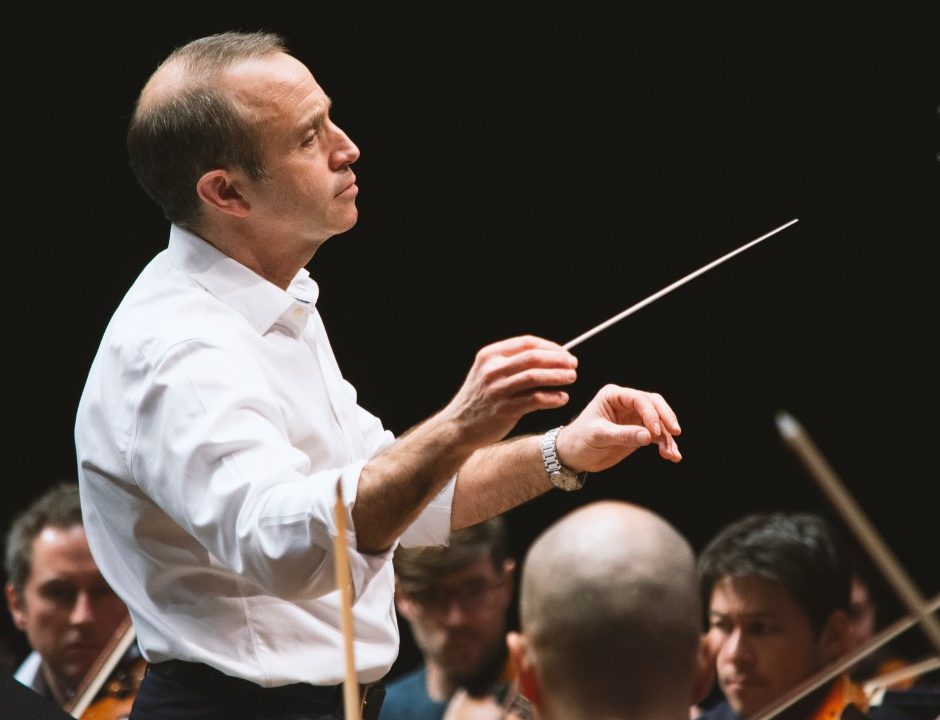
Adès himself conducts the programme that includes the final one: Air – Homage to Sibelius for violin and orchestra in the 70th anniversary year of the Finnish composer’s death on [Wed 5 May, Poole].
To find out more about Thomas Adès listen to the full programme that informed this blog on This Cultural Life.
Gallery